About
Success in technology does not always require a large investment, an established company, or a team of hundreds of people. Sometimes, a simple idea, consistent learning, technical skills, and the courage to build something useful can create extraordinary opportunities.
Professional Experience
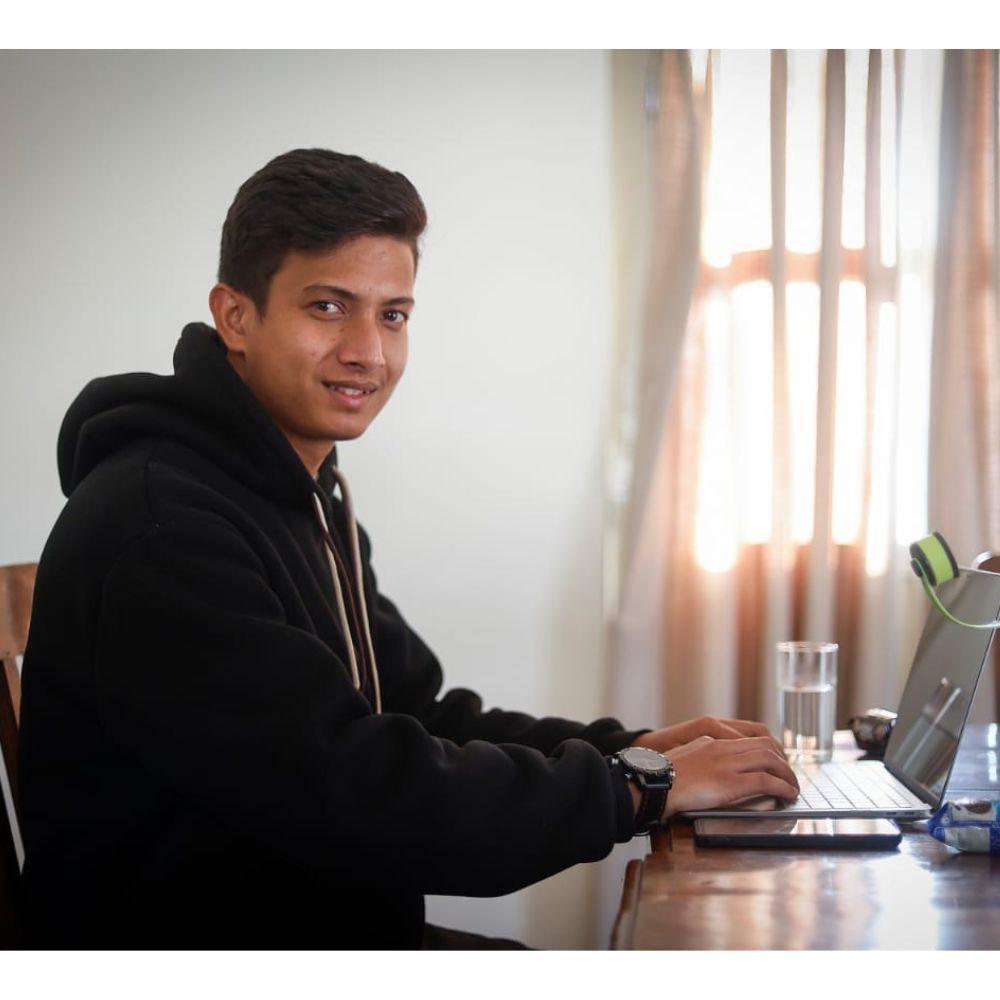
# From a Computer Engineering Student to a Global App Entrepreneur: The Inspiring Success Story of Karna Bahadur Budha Kshetri **A Nepali Student Who Turned Programming Skills into an International Business Success** ## Introduction Success in technology does not always require a large investment, an established company, or a team of hundreds of people. Sometimes, a simple idea, consistent learning, technical skills, and the courage to build something useful can create extraordinary opportunities. The journey of **Karna Bahadur Budha Kshetri**, a young Nepali app developer from Bardiya, is an inspiring example of this possibility. While pursuing his studies in computer engineering, he developed an Android application called *Pickup Lines – Flirt Messages*. The application attracted a large international audience and was eventually sold to an Israeli company for approximately US$53,000, equivalent to around NPR 7 million at the time. His achievement demonstrated how skills developed in Nepal can create value in the global digital marketplace. ## Early Life and Educational Background Originally from Bansgadhi Municipality-5, Bardiya, Karna Bahadur Budha Kshetri developed an interest in technology and programming. According to published reports, he completed a three-year diploma course in Computer Engineering through the CTEVT system at Nepalgunj Technical College. His journey into software development accelerated after he completed his Secondary Education Examination (SEE). He learned programming and Android application development through a combination of formal education and self-directed learning using online resources, including YouTube, Google, and programming blogs. Rather than limiting himself to classroom knowledge, he began applying what he learned by developing real software applications. This practical approach helped him gradually develop his programming experience and understand how to publish applications for users around the world. At the time of his app's major success, he was pursuing a bachelor's degree in Computer Engineering at Universal Engineering and Science College in Lalitpur. His journey showed that students can begin building meaningful technology products while continuing their academic education. ## The Beginning of His App Development Journey Kshetri began publishing Android applications on the Google Play Store in 2020. His early projects included educational applications designed to help Nepali students access learning materials through their mobile phones. Some of his reported projects included: - Class 8 Nepali Guide Book - Class 9 Nepali Guide Book - Nepali Grammar - Nepali Quiz - Nepali educational and reference applications These projects addressed practical learning needs and helped him gain experience in application development, publishing, and reaching users. Before the success of *Pickup Lines*, he had already published more than ten applications on the Google Play Store, according to contemporary media reports. Several of those applications had attracted substantial numbers of downloads. This stage of his journey highlights an important lesson: successful technology products are often built on experience accumulated through multiple projects, not on a single breakthrough idea. ## The Idea Behind Pickup Lines – Flirt Messages In November 2022, Kshetri published an Android application called *Pickup Lines – Flirt Messages* on the Google Play Store. The application offered collections of short, creative, humorous, romantic, and conversational messages. Users could browse different categories, select suitable lines, and copy or share them through messaging platforms and other communication channels. The idea was straightforward: help people find engaging words for conversations when they might struggle to express themselves. Although the application was relatively simple in concept, it addressed a recognizable need among smartphone users. Its accessible format and entertainment value helped it appeal to people beyond Nepal. According to reports published in December 2023, Kshetri stated that the application had received more than 800,000 downloads within approximately one year. The app attracted users from international markets, particularly parts of Africa and Europe. Its growing audience helped establish the application as a digital asset with commercial value. ## The Breakthrough: An International Company Shows Interest As the application gained popularity, it began attracting interest beyond individual users. In October 2023, the Israeli company Rounds AI Ltd. reportedly approached Kshetri with an offer to purchase the application for US$25,000. Initially, the offer raised concerns about whether the proposal was genuine. This was understandable for a young developer encountering an international acquisition opportunity of that scale. Instead of immediately accepting the offer, he investigated the buyer and proceeded through discussions and verification. The initial proposal eventually developed into a higher-value agreement. This part of his story illustrates the importance of due diligence, communication, and careful decision-making when dealing with international business opportunities. ## The $53,000 Deal: Approximately NPR 7 Million Following negotiations, the acquisition agreement was reportedly finalized in November 2023. The reported total transaction amount was **US$53,000**, comprising the negotiated application purchase and an additional amount intended to cover taxes and transaction-related costs. At the exchange rates applicable at the time, the total was approximately NPR 7 million, or around 70 lakh Nepali rupees. According to TechLekh's December 2023 report, the transaction was processed through Escrow.com. After reported transaction costs and a 5% tax deduction at source, Kshetri received more than NPR 6.6 million. It is important to distinguish the total deal value from the amount received after deductions. Nevertheless, the transaction represented a remarkable commercial achievement for a young student developer. The achievement attracted media attention because it demonstrated that an application developed by an individual in Nepal could become valuable enough to be acquired by an international technology company. ## Technical Skills Behind the Achievement The success of *Pickup Lines* was not simply a story about having a good idea. It also involved the ability to turn that idea into a functioning product and make it available to a global audience. Published reports identified Java as the programming language used to develop the application. His work involved several practical aspects of software development: - **Programming:** Writing the code required to build an Android application. - **Product development:** Organizing content into useful categories and creating a functional user experience. - **Application publishing:** Making the product available through the Google Play Store. - **User acquisition:** Reaching users in international markets. - **Commercial negotiation:** Evaluating an acquisition offer and negotiating the terms of a sale. - **Transaction verification:** Taking steps to verify the buyer and complete the reported international transaction. These areas demonstrate how technical knowledge can connect with product design, distribution, and business skills to create commercial opportunities. ## Lessons for Computer Science and Engineering Students Karna Bahadur Budha Kshetri's journey offers several valuable lessons for students pursuing Computer Engineering, Information Technology, Computer Science, and related disciplines. ### 1. Start Building Before You Feel Fully Ready Students often wait until they have mastered every programming language or completed their degree before attempting to build a product. Kshetri's journey demonstrates the value of learning by doing. Developing small applications can help students understand programming concepts more deeply than studying theory alone. ### 2. Self-Learning Is a Powerful Skill Formal education provides a foundation, but technology evolves continuously. Online tutorials, documentation, programming communities, and experimentation can help learners expand their skills independently. The ability to identify what needs to be learned and then apply that knowledge is essential for a software developer. ### 3. Solve a Real User Problem Not every successful application needs a complicated algorithm or a revolutionary technology. An application that solves a small problem, improves convenience, entertains users, or saves time can still create value if people find it useful. The key is to understand users and build a product that serves their needs. ### 4. Think Beyond the Local Market The internet allows software developers in Nepal to distribute digital products to international audiences. Students can develop applications, publish software, offer freelance services, build SaaS products, or create digital businesses without necessarily relocating abroad. However, international success requires attention to product quality, discoverability, competition, localization, and user feedback. ### 5. Build a Portfolio Through Multiple Projects Kshetri had developed and published several applications before *Pickup Lines* achieved its major commercial breakthrough. Each project can provide experience with programming, debugging, design, deployment, and user requirements. A portfolio of completed projects can demonstrate practical skills more effectively than theoretical knowledge alone. ### 6. Technical Skills and Business Skills Work Together Writing software is only one part of creating a successful digital product. Developers also benefit from understanding marketing, monetization, user engagement, negotiation, intellectual property, taxation, and secure payment arrangements. The ability to connect engineering with business can open opportunities that go beyond conventional employment. ## Why His Story Matters to Nepal's Technology Sector Nepal has a growing community of students, independent developers, startups, and technology companies. Stories like Kshetri's help illustrate the possibilities available to young people who develop practical skills and participate in the global digital economy. His achievement challenges the assumption that valuable software products must originate from large technology companies or established innovation centres. It also highlights the role educational institutions can play in encouraging students to move beyond assignments and examinations toward building, publishing, and commercializing real products. Colleges can support this approach through software development clubs, hackathons, mentorship programmes, startup incubation, project-based learning, and entrepreneurship initiatives. For aspiring developers, the larger lesson is that local talent can participate in global technology markets when knowledge is combined with execution and persistence. ## Conclusion: An Inspiration for the Next Generation Karna Bahadur Budha Kshetri's journey from learning programming to developing a widely downloaded mobile application and completing a reported multimillion-rupee acquisition is an inspiring example of student innovation. His story is not a guarantee that every application will become commercially successful. Rather, it demonstrates what can become possible when technical learning is translated into practical projects, products are made available to real users, and opportunities are approached with careful preparation. For students, the message is clear: do not limit your ambitions to passing examinations or obtaining a degree. Develop your skills, experiment with ideas, build useful products, learn from each project, and explore opportunities beyond geographical boundaries. **The next successful technology entrepreneur could be sitting in a classroom today. The journey may begin with nothing more than a computer, a programming language, and the determination to build something useful.** Karna Bahadur Budha Kshetri's achievement reminds us that the potential of Nepali students can extend far beyond the classroom and into the global digital economy. --- ### Sources and Further Reading 1. TechLekh — *How this 22-Year-Old Nepali College Student Sold his Mobile App for Over $50K* (December 16, 2023). https://techlekh.com/nepali-college-student-sold-mobile-app/ 2. The Rising Nepal — *Bardiya boy’s app sold at Rs. 7 million* (December 23, 2023). https://risingnepaldaily.com/news/36604 3. TechSathi — *This Young Engineering Student from Nepal Sold an App for over $50K*. https://techsathi.com/this-young-engineering-student-from-nepal-sold-an-app-for-over-50k/ *Editorial note: The educational background, app download figures, acquisition value, and transaction details above are based on published reports from 2023. The college should verify the student's preferred name, current affiliation, photograph permissions, and any additional biographical details before publication.*